

Guda Bishnoiyan is a village and conservation reserve about 20 km from Jodhpur, making it a practical destination for a Bishnoi villages from Jodhpur day trip. You can pair time around Guda pond with a guided village safari or a visit to nearby communities.
- Location: Guda Bishnoiyan is on the left-hand side of the Jodhpur–Pali National Highway.
- Reserve: The protected area covers 2.31 square kilometres and includes ponds, wildlife and bird-viewing facilities.
- Hotel distance: Guda Bishnoiyan is about 17.2 km from Shanti Bhawan, which offers guest rooms in Jodhpur.
- Transport: Local operators arrange village safaris from Jodhpur, while taxis and autos are another option.
Where is Guda Bishnoiyan, and what can you do there?
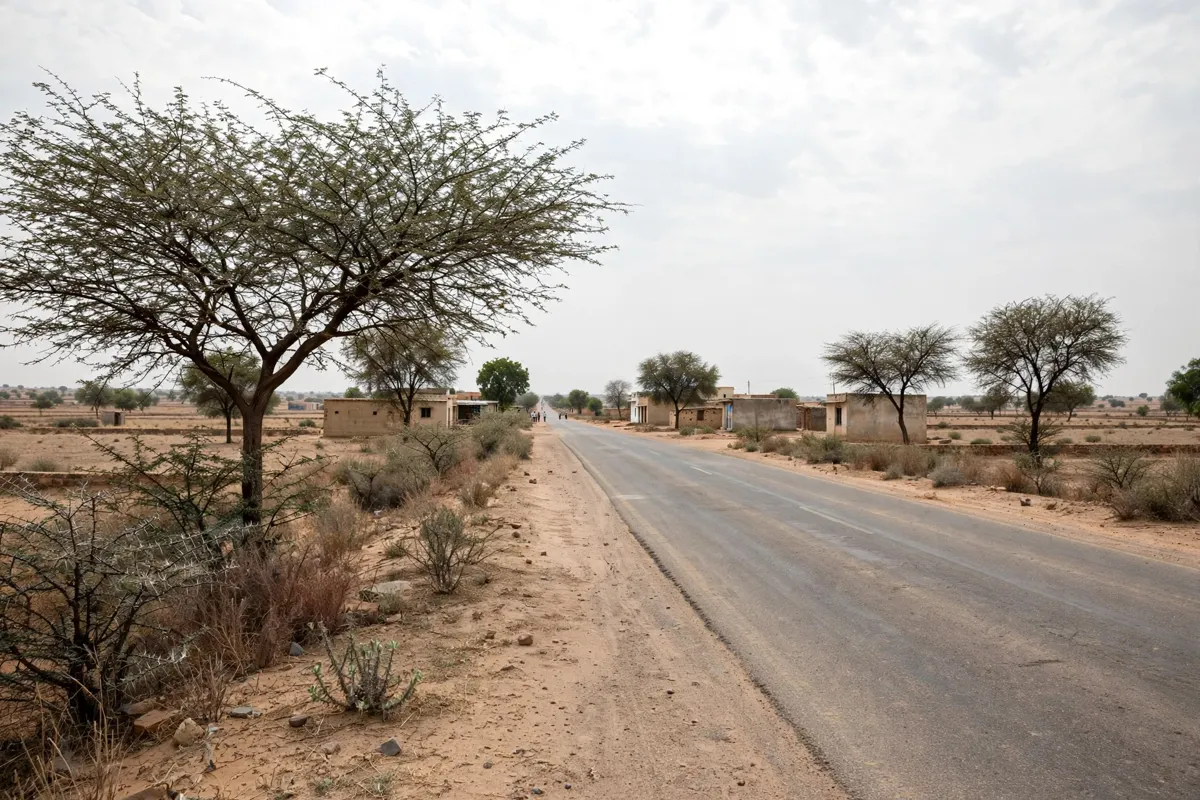
Guda Bishnoiyan sits along the Jodhpur–Pali National Highway, and its reserve offers a mix of pond-side wildlife viewing and village surroundings. The Gudha Vishnoiyan Conservation Reserve is in Jodhpur district.
At Guda pond, you can follow a walking trail and use a bird-viewing tower, binoculars and a tripod-mounted telescope. Benches are placed at viewing points. The site has four eco-huts and four tenting platforms for day visits and overnight stays by schoolchildren, NCC cadets and NSS students.
Guda Talab is approximately 2 km from Guda Bishnoi village. Small ponds nearby hold water during the rainy season and draw local and migratory birds.
How can you arrange transport from Jodhpur?
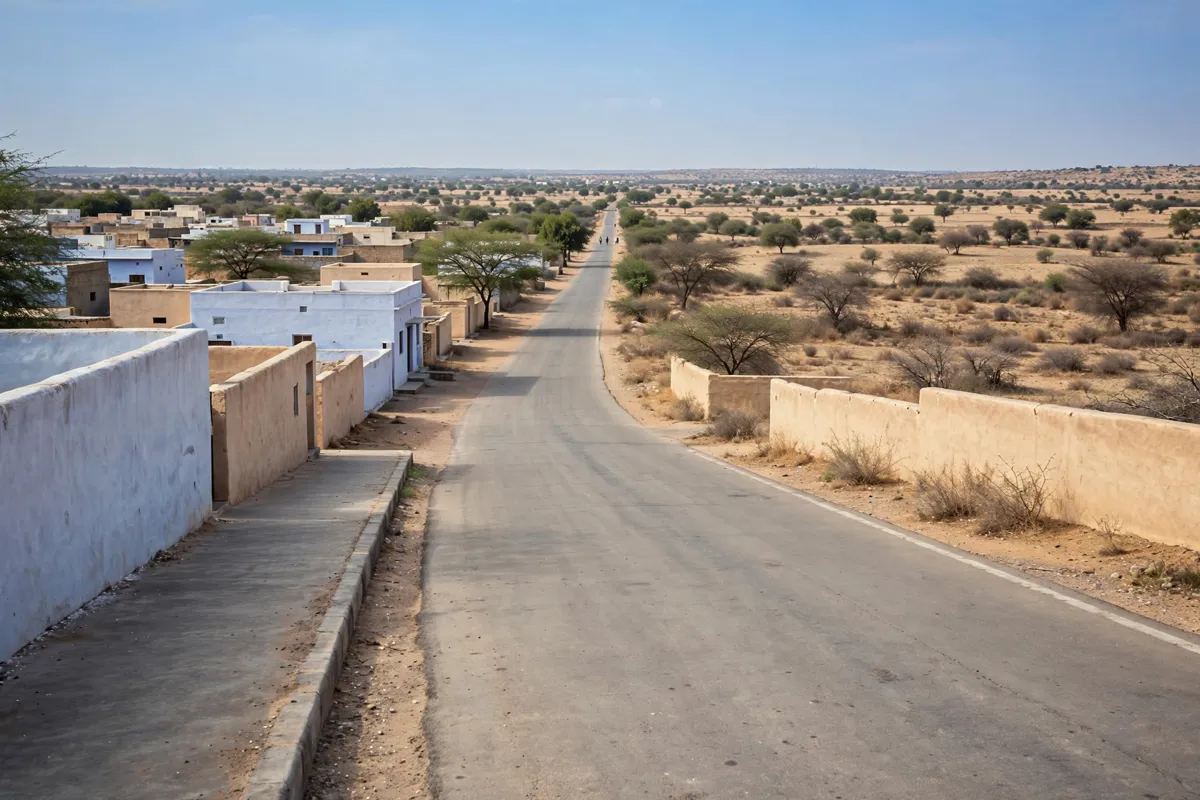
You can arrange a Bishnoi village safari in Jodhpur through a jeep-safari operator, tourist guide or tour operator. The operators work with hotels and offer village tours that may include Guda Bishnoiyan, Khejarli and Salawas Kakani.
Hotel pickup and a 30–45-minute journey are available, though travel time is not guaranteed. Confirm the pickup, route, stops and return arrangements directly with the operator before booking.
For airport arrivals, prepaid taxis and autos are available at Jodhpur Airport; planning the journey from Jodhpur Airport to the city and hotel can help you coordinate that part of your trip.
For a more independent journey, prepaid taxis and autos are available at Jodhpur’s bus stand, railway stations and airport.
What wildlife and local context should you know about?
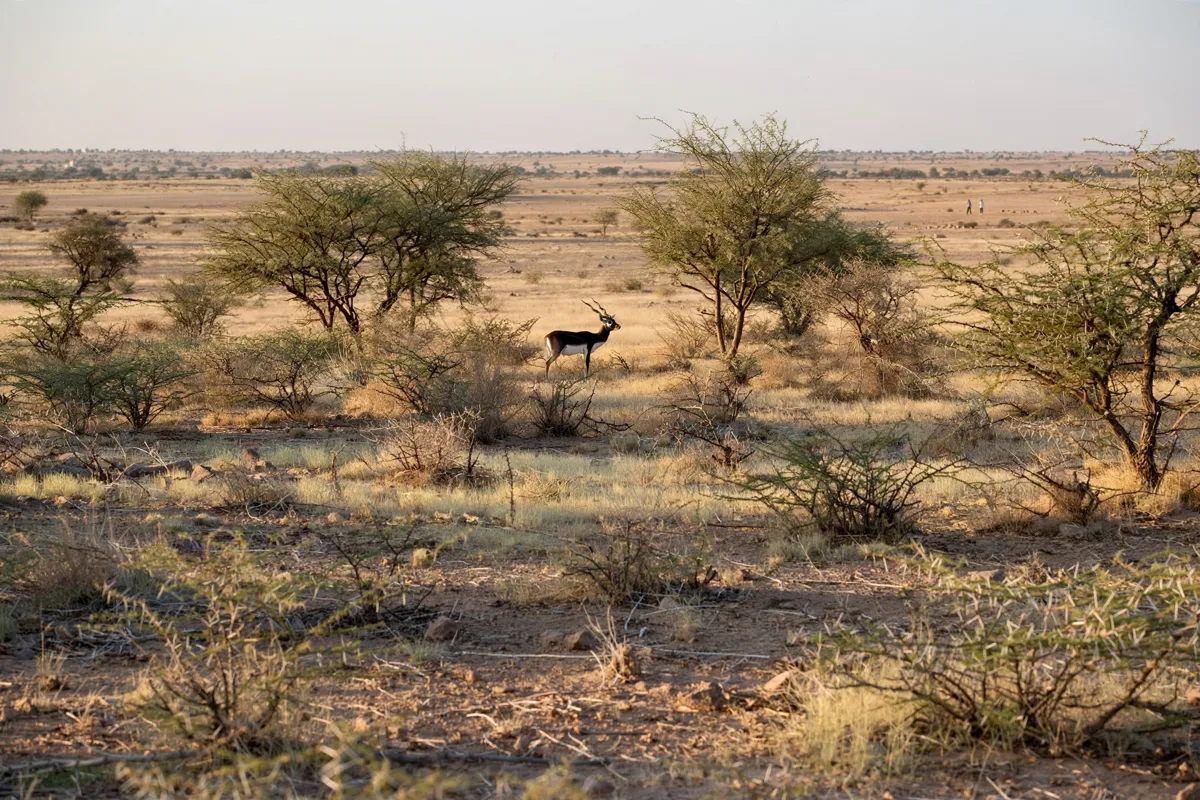
The reserve is known for animals including blackbuck, chinkara, nilgai, jackal, Indian fox, jungle cat and striped hyena. The birdlife recorded at the ponds includes Black Ibis, Black-tailed Godwit, Brahminy Duck, Darter, Demoiselle Crane, flamingo, cormorants, spoonbill, mallard and painted stork.
The Bishnoi community is associated with protecting wildlife and trees, particularly blackbuck, chinkara and khejri. That connection gives a village visit a local cultural context as well as a chance to see the landscape and its wildlife.
A private tour planner recommends early morning or late afternoon for wildlife viewing, describing those as the times when animals are most active. Treat this as the operator’s advice, not a formal reserve schedule.
The same planner recommends October through March for cooler weather; the eco-tourism site confirms that local and migratory birds use the ponds but does not give a seasonal calendar.
How should you behave in residential communities?
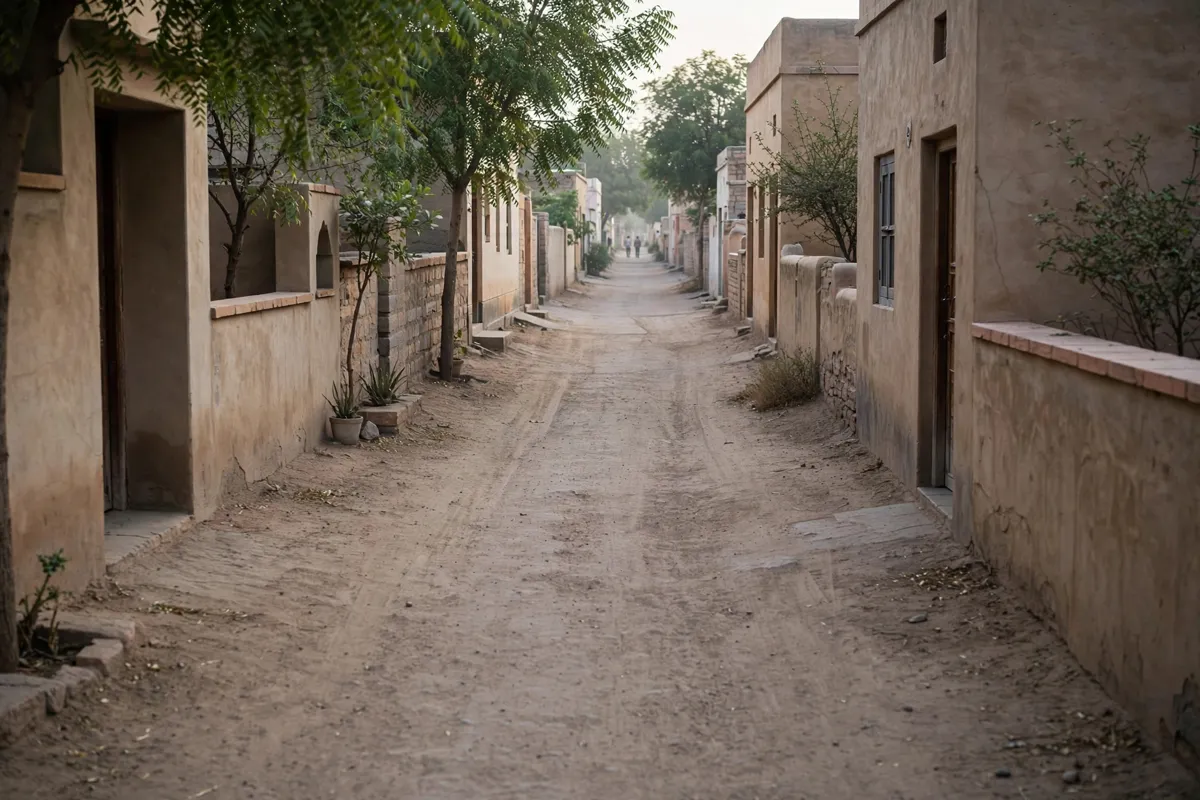
Approach village visits with care: ask residents before taking photographs, dress modestly and avoid damaging trees, especially khejri.
If your tour includes a family home or village stop, follow your guide’s direction and ask before entering private spaces or photographing people. Keep wildlife viewing at a respectful distance and leave plants and the surroundings undisturbed.
What should you verify before departure?
Confirm the transport and visit arrangements with your safari operator or the eco-tourism site before setting out. Ask which stops are included, whether the pond trail and viewing facilities are accessible, and how long the outing is expected to take.
Confirm the day’s facilities and safari options with your operator; itineraries can vary. For city connections around your trip, Jodhpur’s local transport options can help you plan the city portion.
A private tour-planning site gives a sample half-day itinerary with an 8:00 a.m. departure from Jodhpur and a 12:30 p.m. return, stopping at Guda Bishnoi Lake, Khejarli Memorial, Kakani and Salawas, as well as a Bishnoi family home.
Use that as an example to discuss with an operator, not as a standard timetable. Check the official site before you go.
FAQs
Is Guda Bishnoiyan a protected area?
Yes. It is identified in Rajasthan’s protected-area listing as the Gudha Vishnoiyan Conservation Reserve.
Can you see birds at Guda pond?
Yes. The eco-tourism site records a range of waterbirds and other birds at the ponds, including Demoiselle Crane, flamingo and painted stork.
Can a village safari include places beyond Guda Bishnoiyan?
Yes. Village safari routes described by the eco-tourism site can cover Khejarli and Salawas Kakani as well as Guda Bishnoiyan.